 07542 569 403
 office@akjohnbuilders.co.uk
What you get
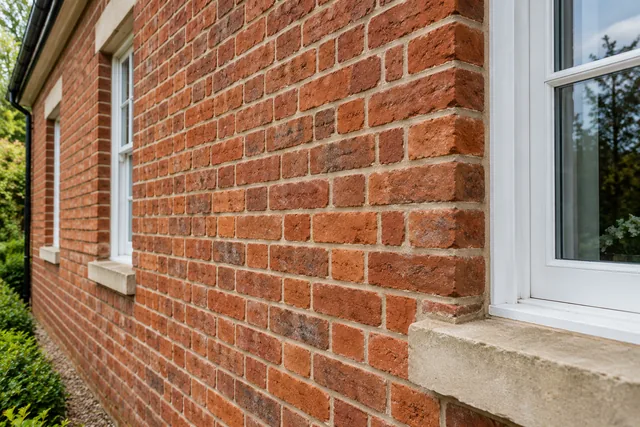
New brickwork and blockwork, failed sections rebuilt, garden and boundary walls, and repointing where the mortar has gone.

OUR SERVICES
New brickwork, rebuilt sections and repointing with a mortar that suits the wall.
WHAT IT INVOLVES
New brickwork, rebuilt sections and repointing with a mortar that suits the wall.
New brickwork and blockwork, failed sections rebuilt, garden and boundary walls, and repointing where the mortar has gone.

Old solid walls were built with lime, softer than the brick on purpose, so the wall can move and water can get back out. Hard cement traps it and spalls the faces off.

How much old mortar actually has to come out. Raking back properly is real work, and skimming over the top of it is why a job gets done twice.

IN THE QUOTE
 What the existing mortar is, and what mix is going back inRaking out to a proper depth rather than skimming over the surfaceAccess, whether that is scaffold or tower, priced as its own itemReplacement of individual spalled or damaged bricks where neededRebuilt sections where a wall has moved or failed, rather than patchedProtection to what is below, because pointing is a dirty job
The cheapest quote most often costs the most: a hard mortar on a soft old wall takes years to show and takes the brick faces with it.
HOW WE DO IT
Four steps, start to finish, so you know what happens and when.
Mortar falling out, a bowed section, a chimney that needs taking down, or new work to match existing. A close photo of the joints and one of the whole elevation.
An older solid wall wants a soft lime based mortar and modern cement will trap water in the brick and spall the faces off it. We look at what is there before deciding what goes back.
Measured by the square metre with the mortar specified and access priced in, because scaffold on a two storey gable is a real part of the cost and not a surprise.
Joints raked back to a sound depth rather than skimmed over, brushed out, then pointed and finished to match the rest of the wall.
THREE WAYS TO START
Whichever is easiest. You get the same answer from all three.
Three boxes and a photo if you have one.
PAST WORK
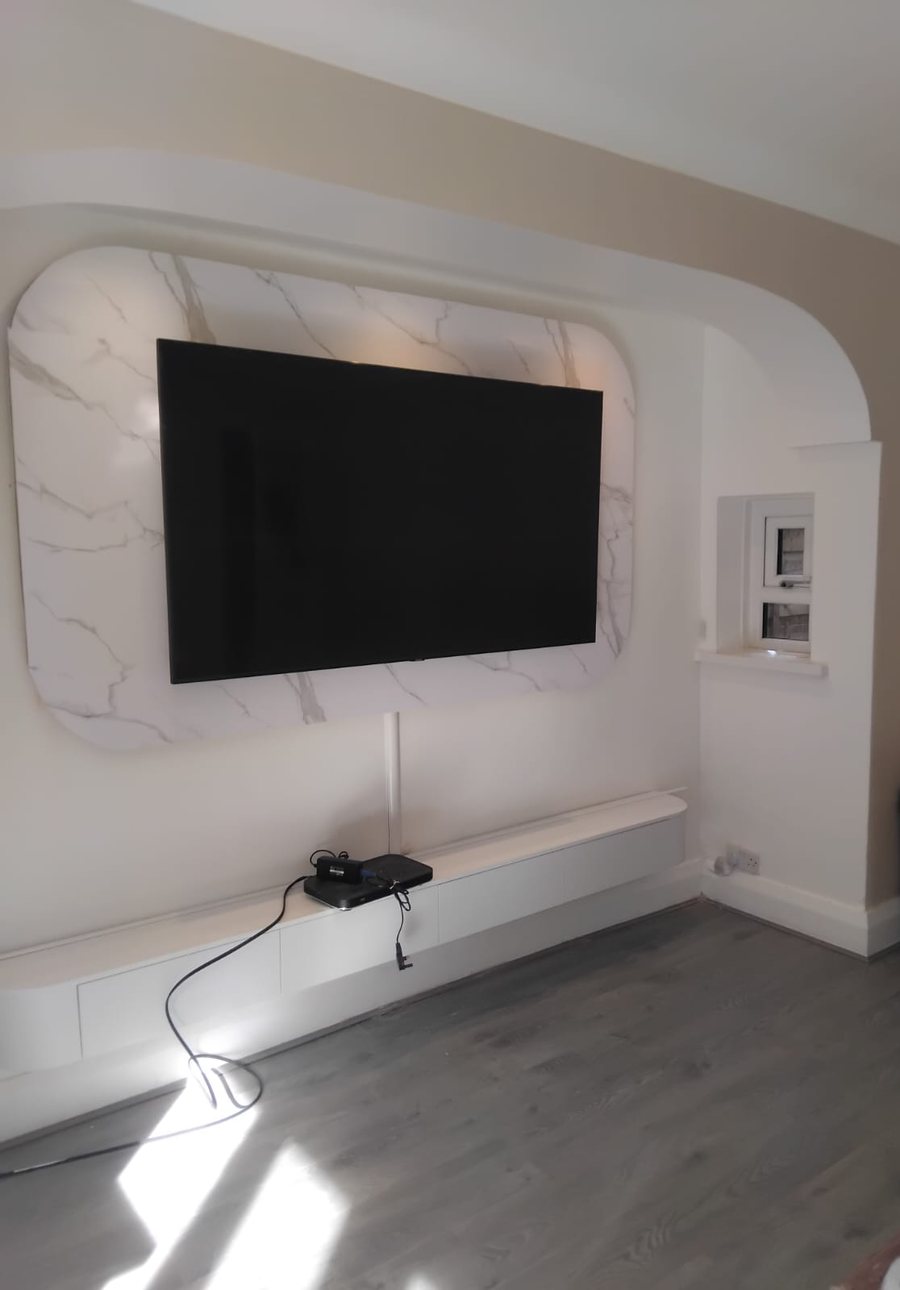
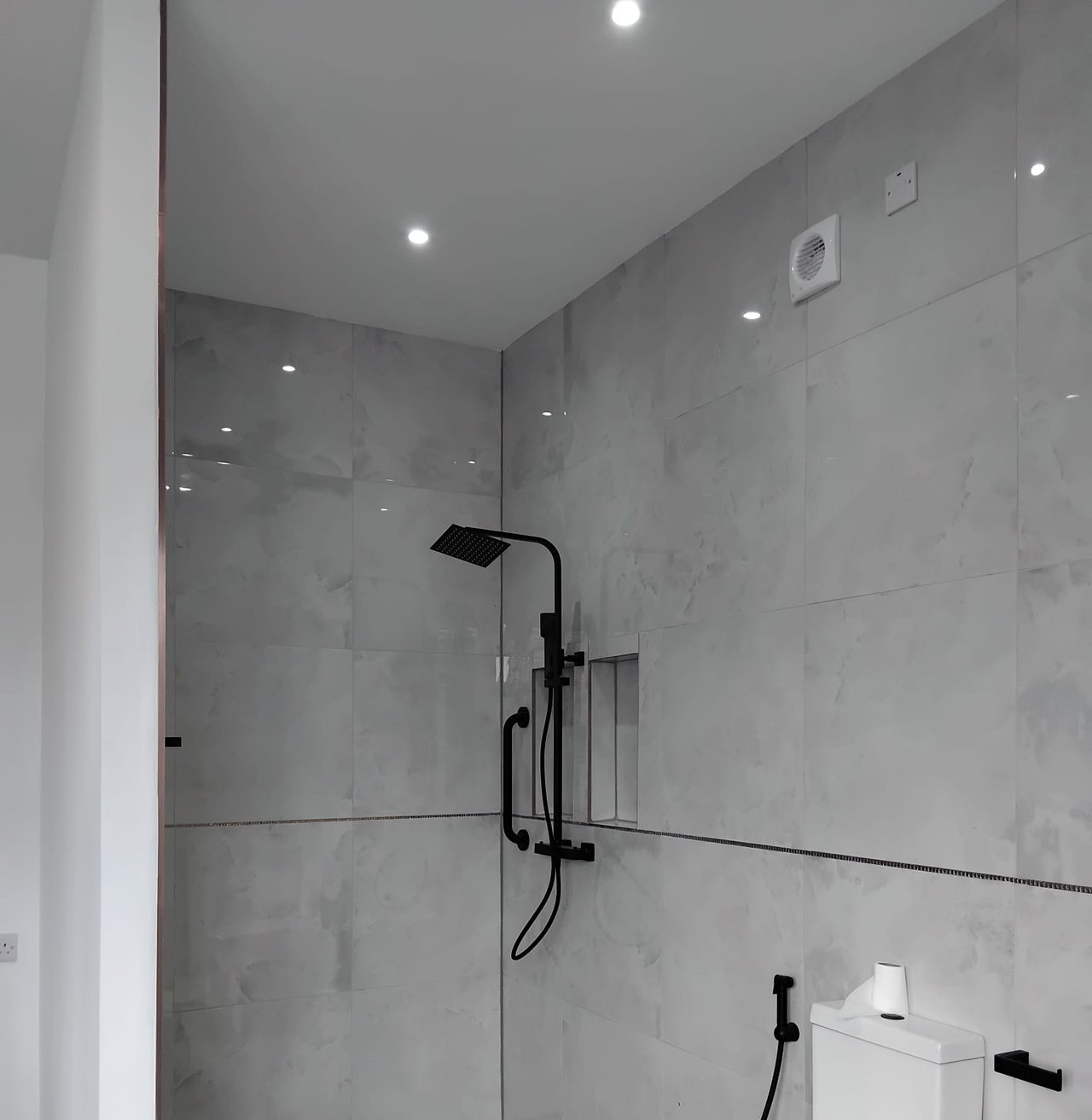
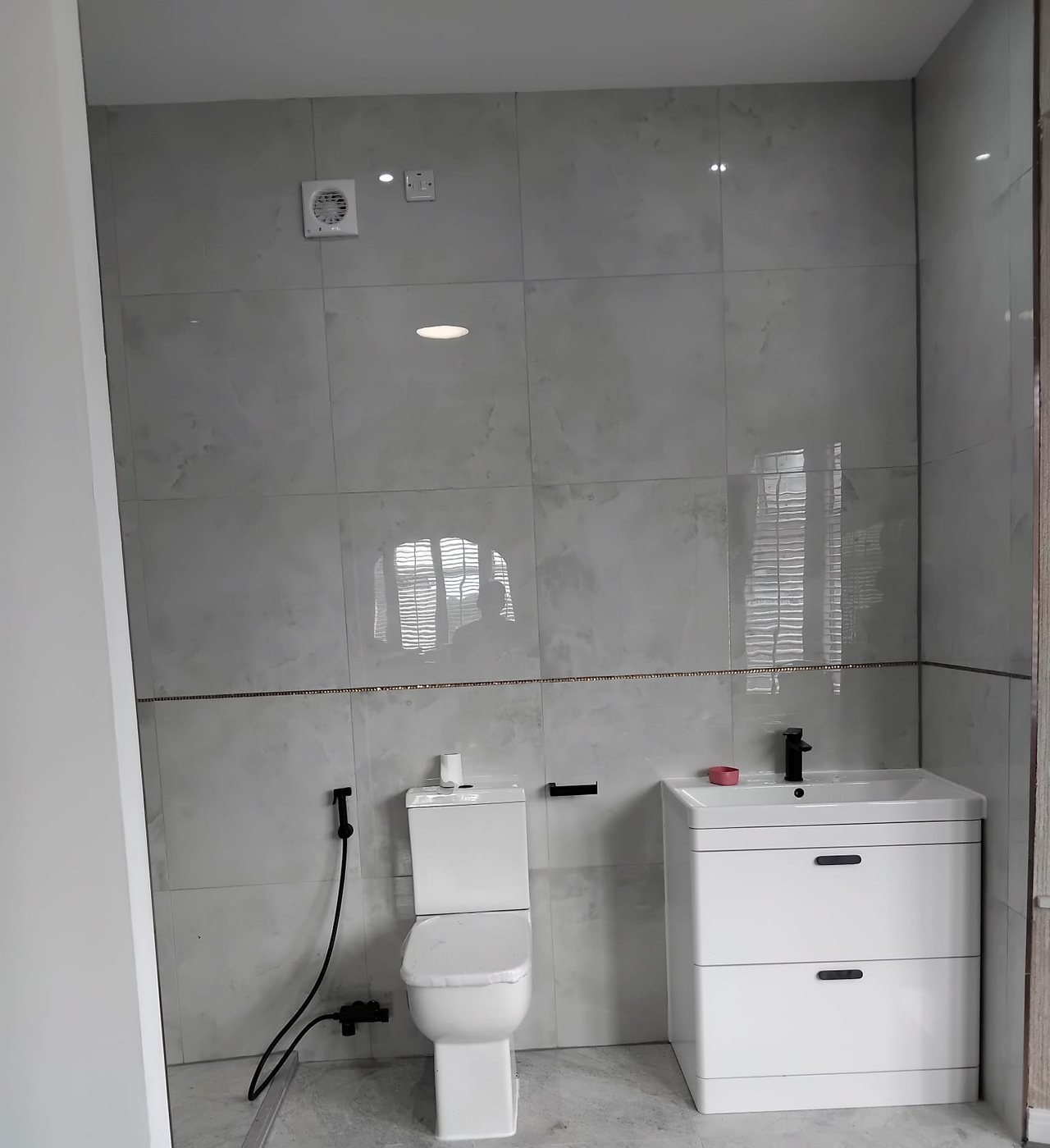
Finished jobs, photographed on site.
A written quote, itemised, with no obligation.
USEFUL TO KNOW
Mortar that is crumbling to the touch, joints that have receded well back from the brick face, or plant growth in the joints are the usual signs. Patches of it are normal on an old elevation and do not always mean the whole wall needs doing. What is worth avoiding is being told the whole house needs it when a sheltered elevation is perfectly sound.
No, and the difference matters. Stone generally needs a softer, lime based mortar, and the wrong hard mix on soft stone damages the face rather than the joint. Say the property is stone when you ring so the right thing is quoted and the right materials turn up.
Often closely, sometimes not exactly, because bricks that were made locally a hundred years ago are frequently not made at all now. Where a match is not achievable you are told before anything is ordered and the options are discussed, including reclaimed brick.
Yes. They come up constantly and they are worth doing properly, because a boundary wall that has moved is usually moving for a reason at its base rather than at the top where it shows.
GET A PRICE
Three boxes and a photo if you have one. We price it in writing, with no obligation.
Based in Oldham, covering Greater Manchester.
 07542 569 403
 office@akjohnbuilders.co.uk
 Oldham, Greater Manchester

 Groundworks and foundations