
 07542 569 403
 office@akjohnbuilders.co.uk
What you get
Skimming over existing, re-boarding where the surface is past saving, patching after other work, and making new walls meet old without a line showing.

OUR SERVICES
Re-boarding, patching and skimming, so new work meets old without a line showing.
WHAT IT INVOLVES
Re-boarding, patching and skimming, so new work meets old without a line showing.
Skimming over existing, re-boarding where the surface is past saving, patching after other work, and making new walls meet old without a line showing.

It does not take a repair the way plasterboard does, it is heavier than people expect, and a ceiling already parting from its laths will not be saved by skimming it.

Plastering over a wall that is still wet is money spent twice. Damp gets diagnosed by somebody qualified for that first.
IN THE QUOTE
 Whether each surface is being skimmed or re-boarded, stated per roomTaking down lath and plaster where it is past saving, and the mess that involvesBeading, taping and the preparation that decides how flat the finish isMaking new work meet old at openings, so the join does not showProtection to floors and anything that is staying in the roomClearing and disposal, which on a ceiling strip-out is a real part of the job
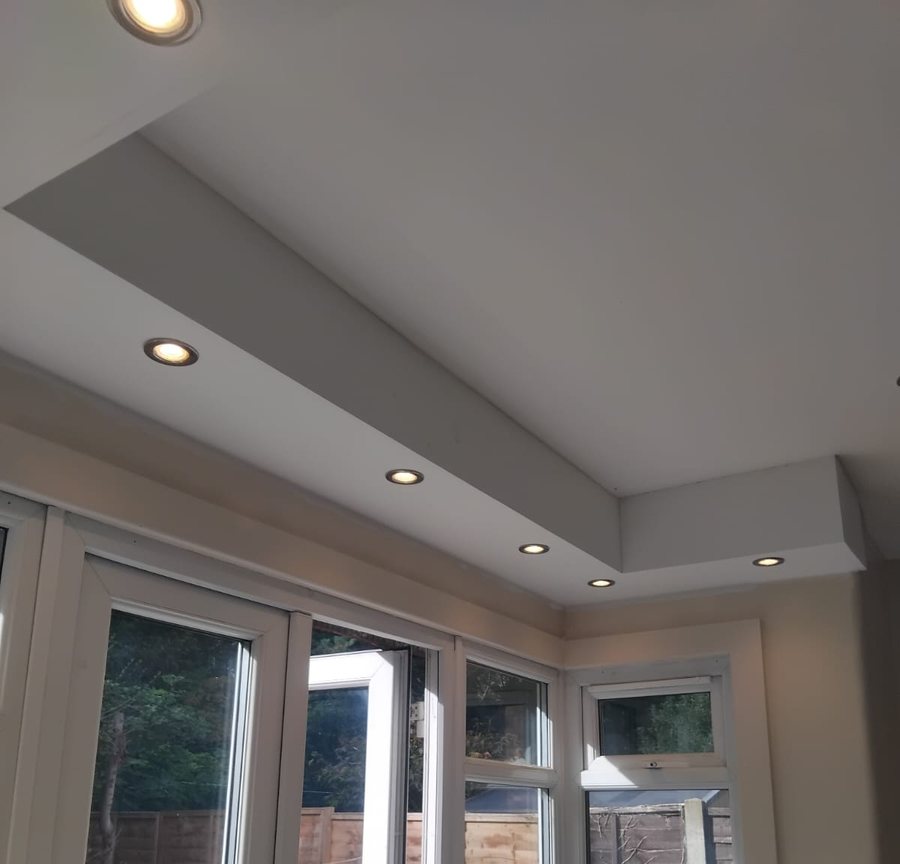
Most plastering on a refurbishment is not a wall from scratch. It is making new work meet old without a line showing.
HOW WE DO IT
Four steps, start to finish, so you know what happens and when.
A skim over existing, a re-board, or back to brick. A photo in daylight across the wall shows the state of it better than one taken straight on.
Blown plaster sounds hollow and will not hold a skim however good the finish is. We tap it rather than assume, because skimming over a bad wall is money spent twice.
Priced by what is actually being covered, with any re-boarding and beading listed, so you can see where the cost sits.
Protected and prepared, boarded or bonded where needed, beads set, then skimmed and trowelled up so new work meets old without a line showing.
THREE WAYS TO START
Whichever is easiest. You get the same answer from all three.
Three boxes and a photo if you have one.
PAST WORK
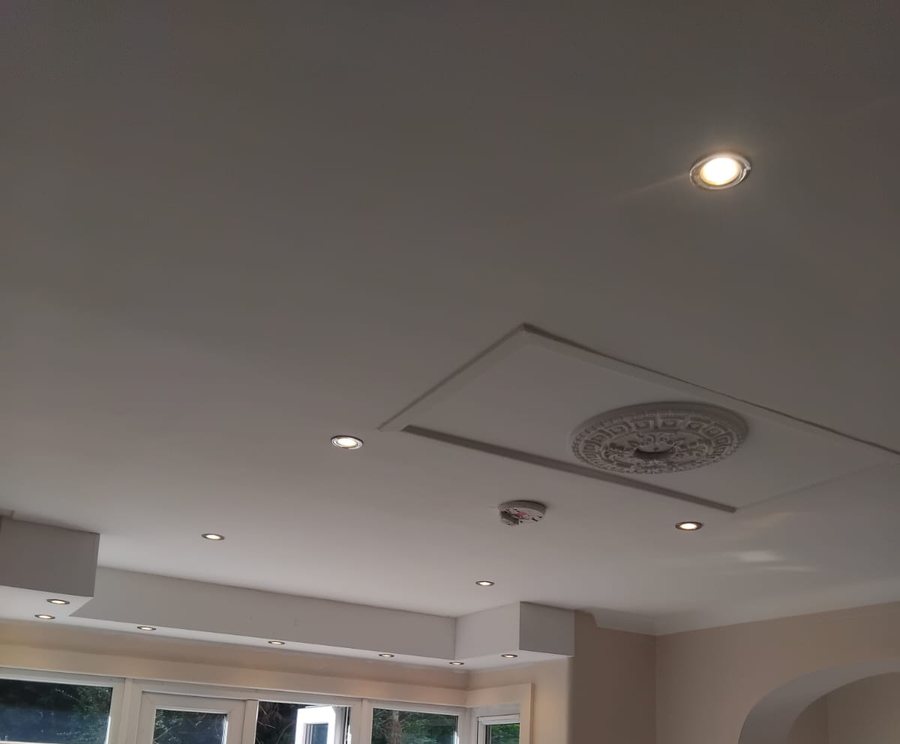
Photographs of his own work.
A written quote, itemised, with no obligation.
USEFUL TO KNOW
Often yes, and sometimes the better answer is to take it down and re-board. It depends on how sound it is and how heavy the texture is. Be aware that artex of a certain age can contain asbestos, so anything that involves disturbing it needs establishing first rather than sanding into.
Fresh plaster needs to dry before it takes paint properly, and how long that takes depends on the thickness, the room and the time of year. You get a realistic answer rather than an optimistic one, because painting too early is a common and avoidable way to waste a good plastering job.
Sometimes, and often not. A ceiling that has come away from its laths is carrying its own weight on the skim, and skimming over it adds weight to something already failing. Taking it down and re-boarding is more work and more mess and is frequently the only answer that lasts.
Yes, as making good once the cause has been properly dealt with by somebody qualified to diagnose it. no damp survey is offered here and nothing here offers one. Plastering a wall that is still wet is the most common way to pay for the same job twice.
GET A PRICE
Three boxes and a photo if you have one. We price it in writing, with no obligation.
Based in Oldham, covering Greater Manchester.
 07542 569 403
 office@akjohnbuilders.co.uk
 Oldham, Greater Manchester

 Garden rooms